SXO and AI Experience Optimization

⚡ Quick Answer
How AI-powered experience optimization is reshaping search rankings and user engagement.

AI-Powered Experience Optimization in 2026
As search engines integrate AI directly into their ranking algorithms, the boundary between search engine optimization and user experience optimization has effectively dissolved. AI experience optimization uses machine learning to understand, predict, and improve every touchpoint in the user journey — from the moment a visitor arrives on your page to the moment they convert, return, or recommend your content to others.
This is not a future trend — it is happening now. Google's MUM (Multitask Unified Model), Gemini, and the continuous updates to the core ranking algorithm all incorporate AI systems that evaluate content quality, user satisfaction, and experience signals with increasing sophistication. Sites that optimize for these AI evaluation systems gain a compounding advantage over those that rely on traditional SEO tactics alone.
Dynamic Content Personalization
AI enables real-time content personalization at a level that was impossible with rule-based systems. Instead of showing the same page to every visitor, AI-powered personalization adjusts headlines, content blocks, CTAs, product recommendations, and navigation based on individual user signals.
Practical examples include: adjusting the homepage hero section based on whether the visitor is new or returning, showing different case studies based on the visitor's industry (detected from their company domain or browsing patterns), dynamically reordering FAQ sections based on which questions users in similar segments most frequently engage with, and personalizing CTA copy and urgency based on the visitor's position in the buying journey.
The key principle is relevance without creepiness. Personalization should make the experience more useful, not make the user feel surveilled. Focus on content relevance rather than personal data display — show them content that matches their needs, do not show them that you know their name and browsing history.
Automated A/B Testing at Scale
Traditional A/B testing is slow, manual, and limited by traffic volume. AI-powered testing platforms change the equation fundamentally. Instead of testing two variations and waiting weeks for statistical significance, AI systems can test dozens of variations simultaneously, allocate traffic dynamically to winning variants, and converge on optimal configurations in days rather than months.
Multi-armed bandit algorithms — the AI approach to optimization — continuously balance exploration (testing new variations) with exploitation (showing the best-performing variant). This means your pages are always improving, even during the testing period, because the AI progressively shifts traffic toward winners as confidence increases.
Apply AI testing to: headline variations (test 10-20 headlines per article and let the AI find the winner), CTA placement and copy, image selection, content structure and length, pricing page layouts, and onboarding flows. The compound effect of continuous AI testing across multiple page elements creates significant performance improvements over time.
Predictive Analytics for Content Strategy
AI models can predict which content topics will trend before they peak, which existing pages will lose traffic in the coming weeks, which user segments are most likely to convert, and which content formats perform best for specific topics and audiences.
Google Analytics 4 includes built-in predictive metrics: purchase probability, churn probability, and predicted revenue. Use these to create predictive audiences — segments of users who are likely to take specific actions within the next 7 days. Target these audiences with personalized content, retargeting campaigns, and optimized landing pages.
For content strategy, AI predictive tools analyze search trend velocity, social media signals, and competitive content gaps to identify topics with high growth potential. Publishing content on rising topics before they peak — rather than after — captures the first-mover advantage in search rankings and Discover eligibility.
Implementation Roadmap
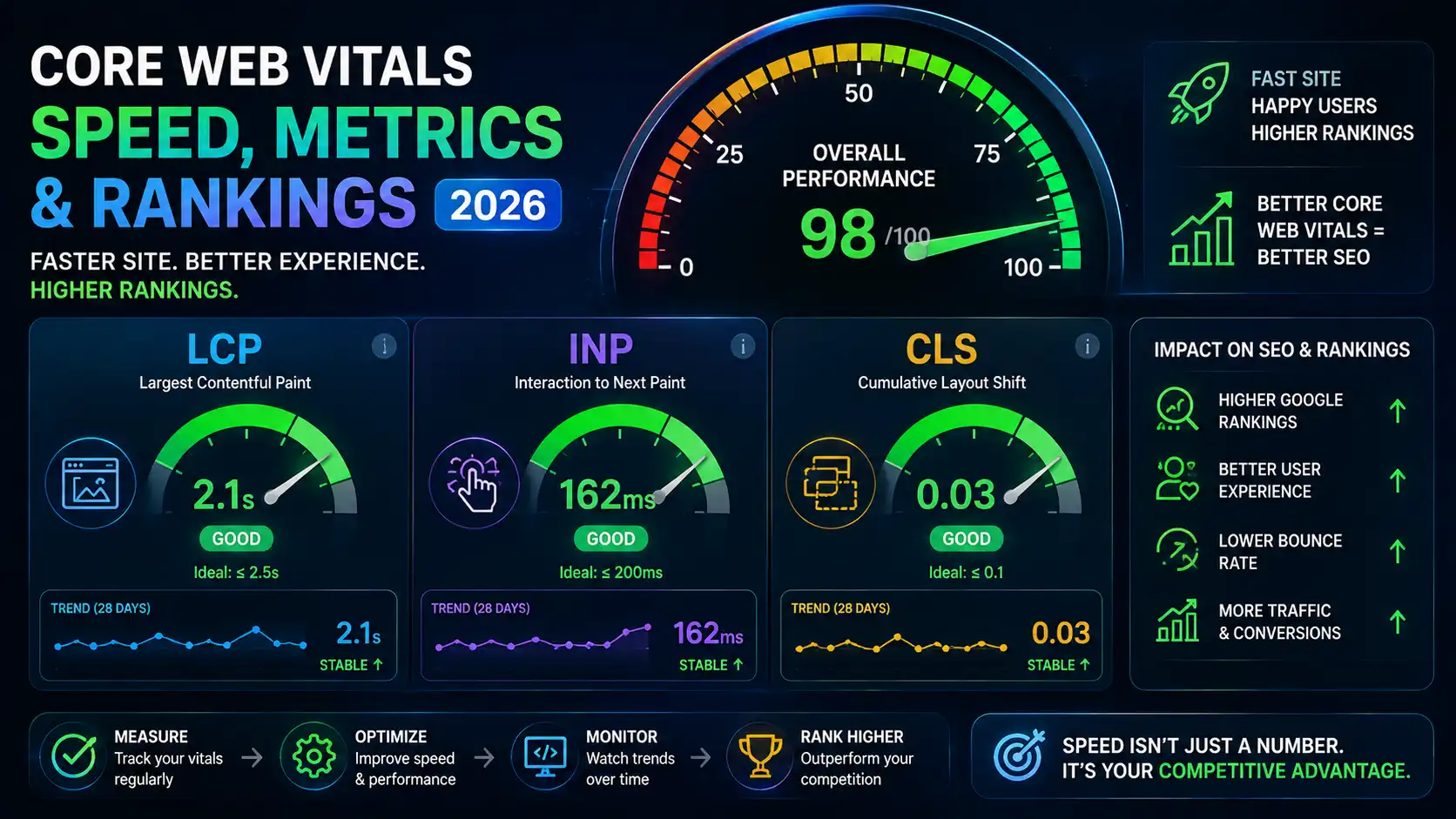
Phase 1 (Month 1): Foundation. Implement GA4 with enhanced measurement. Set up predictive audiences. Add comprehensive structured data (Schema.org) to every page for AI comprehension. Audit and optimize Core Web Vitals as your UX baseline.
Phase 2 (Month 2-3): Testing. Deploy AI-powered A/B testing on your highest-traffic pages. Start with headline and CTA testing. Measure impact on engagement metrics and conversions.
Phase 3 (Month 3-6): Personalization. Implement basic content personalization based on new vs returning visitors and traffic source. Measure the impact on bounce rate, time on page, and conversion rate.
Phase 4 (Ongoing): Optimization loop. Use predictive analytics to guide content strategy. Feed performance data back into your personalization and testing systems. The key is building a continuously improving system where every user interaction generates data that makes the next interaction better.
Tools and Budget
A complete AI experience optimization stack includes: GA4 (free) for analytics and predictive audiences, Google Optimize or VWO ($49-199/month) for AI-powered testing, a personalization engine like Mutiny or Dynamic Yield ($200-500/month for starter plans), structured data testing tools (free), and Core Web Vitals monitoring via PageSpeed Insights and CrUX (free). Start with the free tools and add paid components as you validate the ROI.