Keyword Research in 2026: The Complete Framework

⚡ Quick Answer
Keyword research has changed. Learn the 2026 framework covering search intent and AI Overviews.
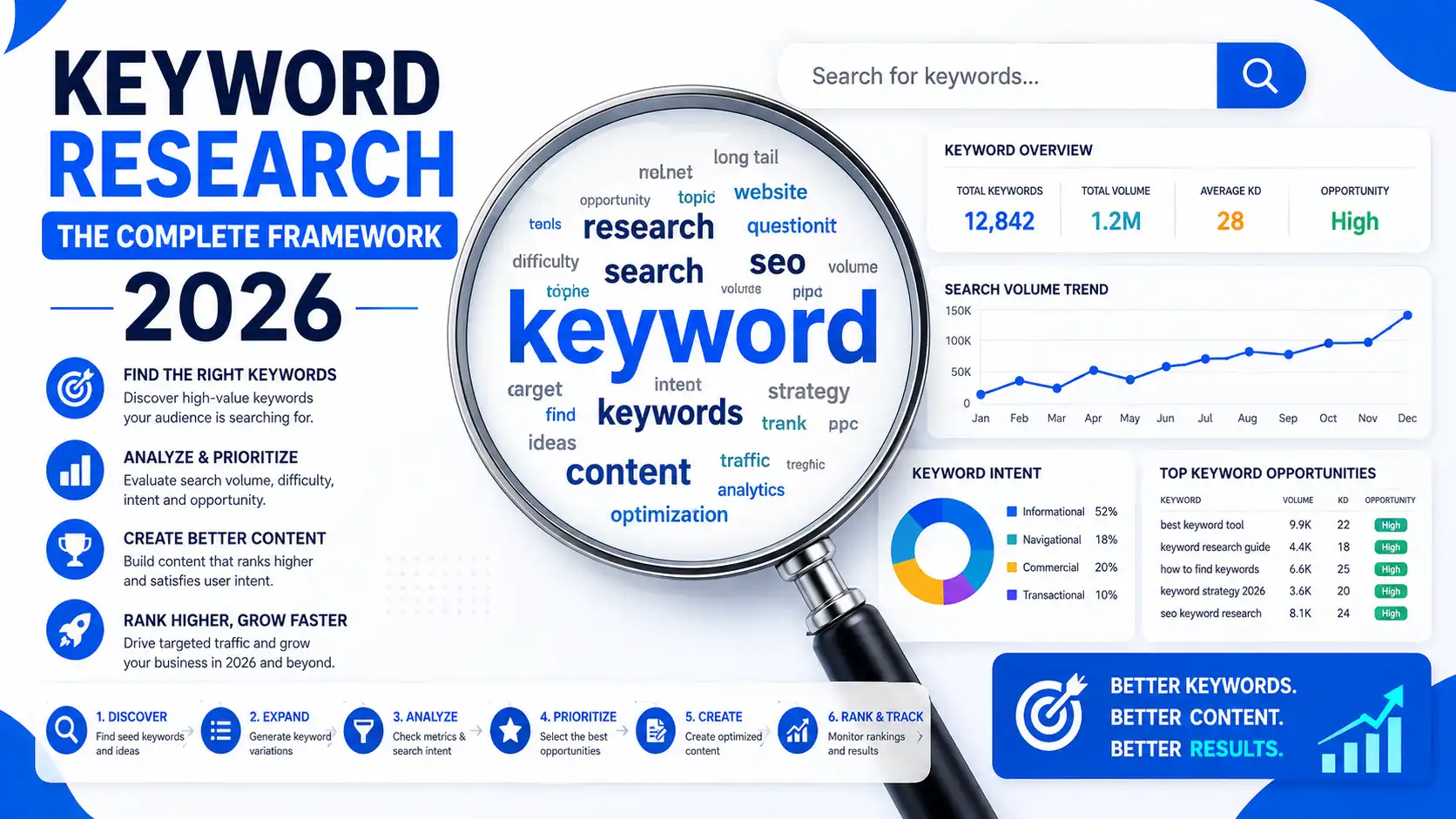
Keyword Research in 2026: The Complete Framework That Actually Works
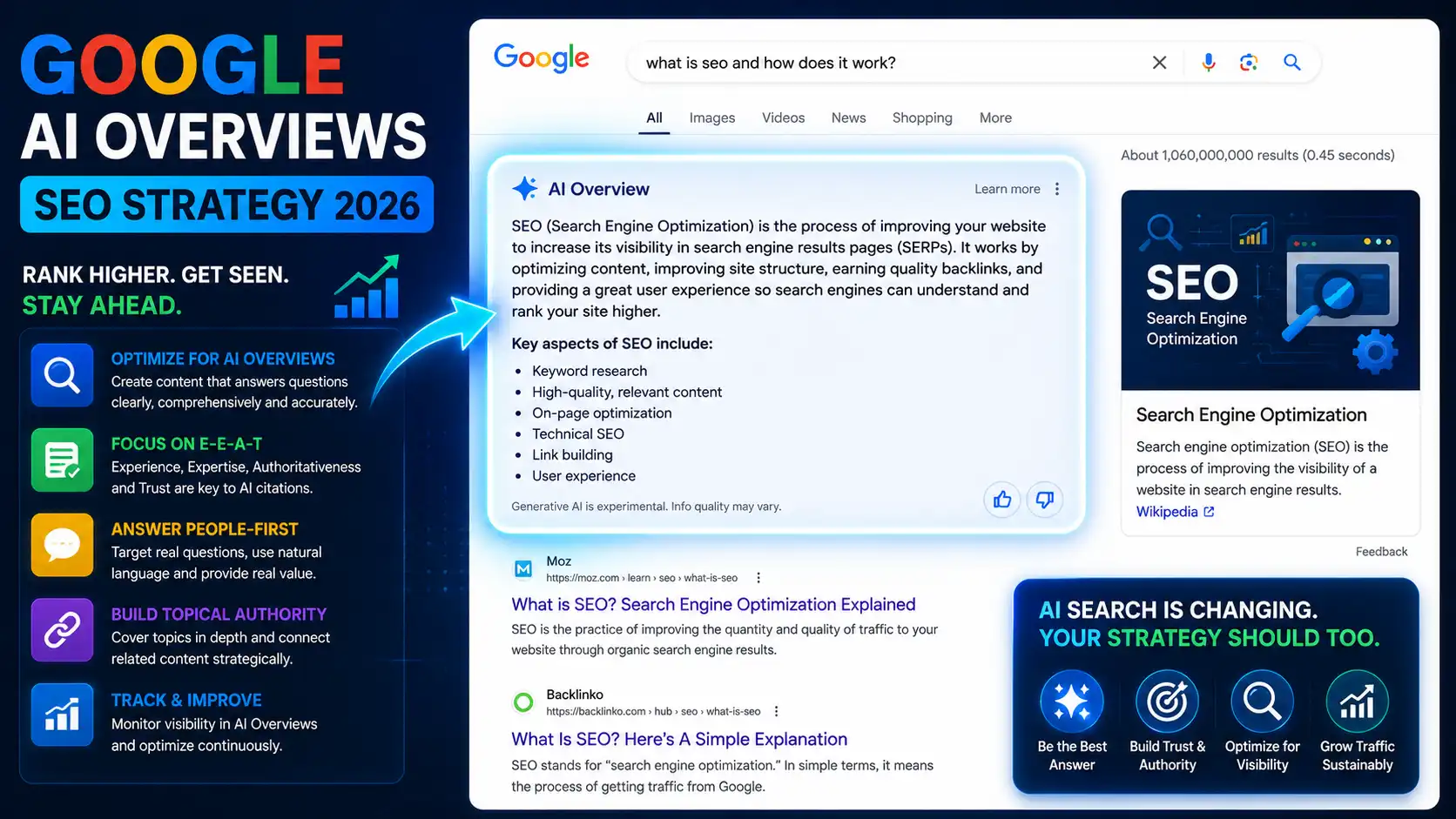
Keyword research in 2026 looks nothing like it did five years ago. AI Overviews have changed which queries send clicks. Zero-click searches now account for over 60 percent of all Google queries. And yet, keyword research remains the foundation of every successful SEO strategy. The tools and techniques have evolved, but the core principle has not: find what your audience is looking for and create the best answer.
Why Traditional Keyword Research Is Broken
The old approach was simple: find high-volume keywords with low competition and create content targeting them. That approach fails in 2026 for three reasons. First, Google AI Overviews answer many informational queries directly on the SERP, stealing clicks. Second, search intent has become more nuanced with different result types for each intent. Third, keyword difficulty scores do not account for SERP features, AI Overviews, or your specific competitive landscape.
The 2026 Framework: Five Steps
The modern framework has five steps: Seed Discovery, Intent Classification, SERP Analysis, Opportunity Scoring, and Content Mapping. Each step builds on the previous one to produce a keyword strategy that drives traffic and conversions.
Step 1: Seed Discovery
Start with the topics your audience cares about, not with a keyword tool. Talk to customers, read forum discussions, analyze competitor content, and review your own site analytics. Then expand each seed topic into related keywords using tools like Ahrefs, Semrush, or Google Keyword Planner.
Step 2: Intent Classification
Every keyword has a dominant search intent: informational, navigational, commercial, or transactional. In 2026, you must also consider whether a query triggers an AI Overview, which absorbs informational clicks. Keywords with commercial and transactional intent are now significantly more valuable because they are less affected by AI Overviews.
Step 3: SERP Analysis
Before targeting any keyword, search for it and study the results page. What content formats dominate? Who ranks in the top five? This reveals whether you can realistically compete and what format you need to create.
Step 4: Opportunity Scoring
Score each keyword based on traffic potential, business value, and competitiveness. Weight business value highest. A keyword that brings 100 visitors who convert is worth more than one that brings 10,000 who bounce.
Step 5: Content Mapping
Map each keyword cluster to a specific page on your site. Avoid keyword cannibalization by ensuring each target keyword has one dedicated page. Group semantically related keywords into clusters covered by a single comprehensive piece of content.
Essential Tools for 2026
- Ahrefs for keyword difficulty, traffic potential, and SERP analysis
- Semrush for keyword gap analysis and competitor research
- Google Search Console for queries your site already ranks for
- Google Trends for seasonal and trending topics
- Also Asked for People Also Ask data mining
The biggest shift: optimize for topics and intent, not individual keywords. One great piece can rank for hundreds of related queries.
Frequently Asked Questions
Is keyword research still important in 2026?
Absolutely. Understanding what your audience searches for remains the foundation of SEO strategy.
What is the best free keyword research tool?
Google Search Console for existing data and Google Keyword Planner for new ideas. Both are free and reliable.