How to Write Content That Ranks on Google in 2026

⚡ Quick Answer
The rules for ranking content have evolved. The writing framework for search intent and depth.
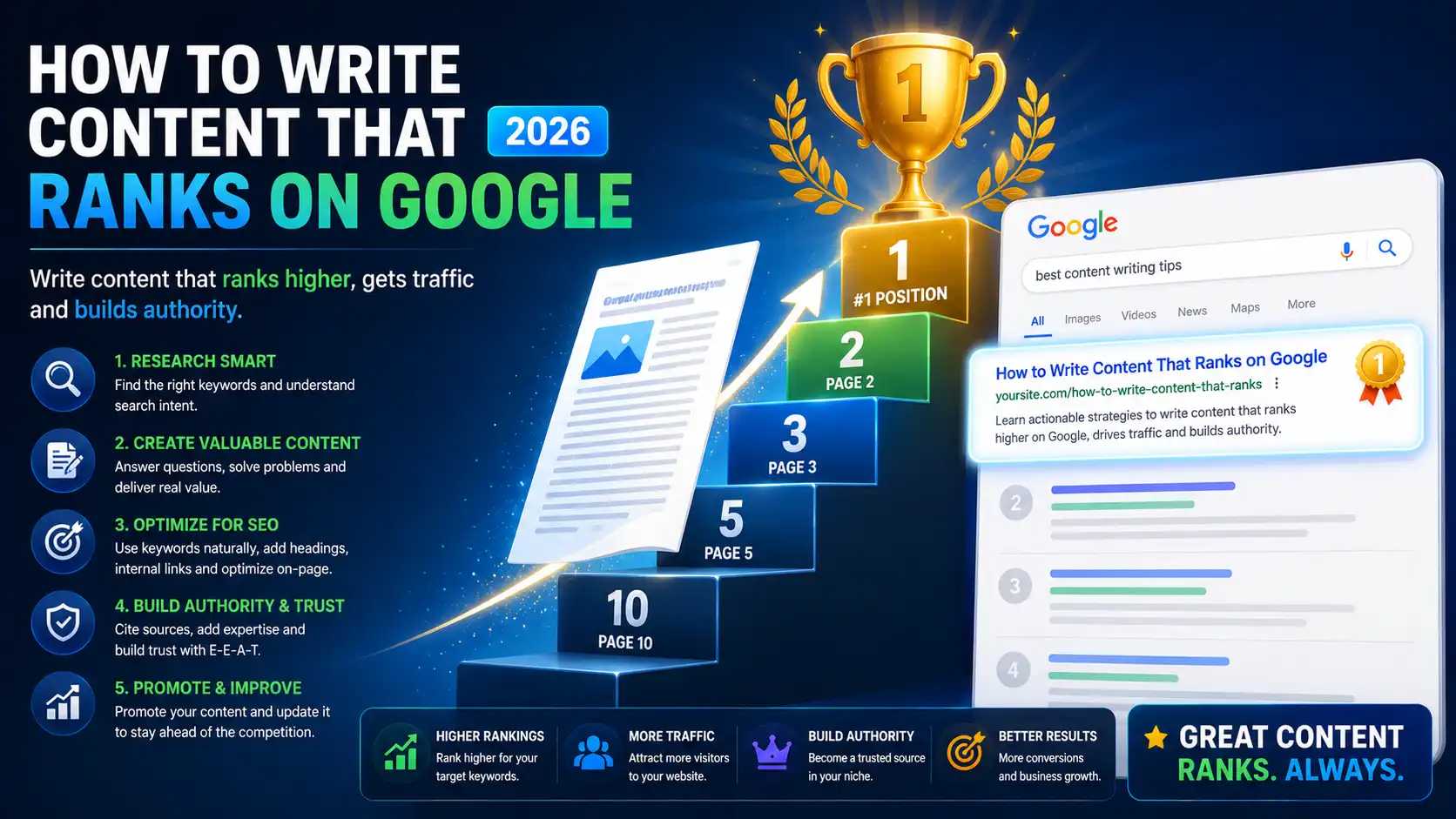
How to Write Content That Ranks on Google in 2026
Writing content that ranks on Google in 2026 requires more than keyword placement and word count targets. Google now evaluates content quality at a level that closely mirrors how a knowledgeable human reader would assess it. The pages that rank are the ones that best satisfy search intent, demonstrate genuine expertise, and provide a superior user experience.
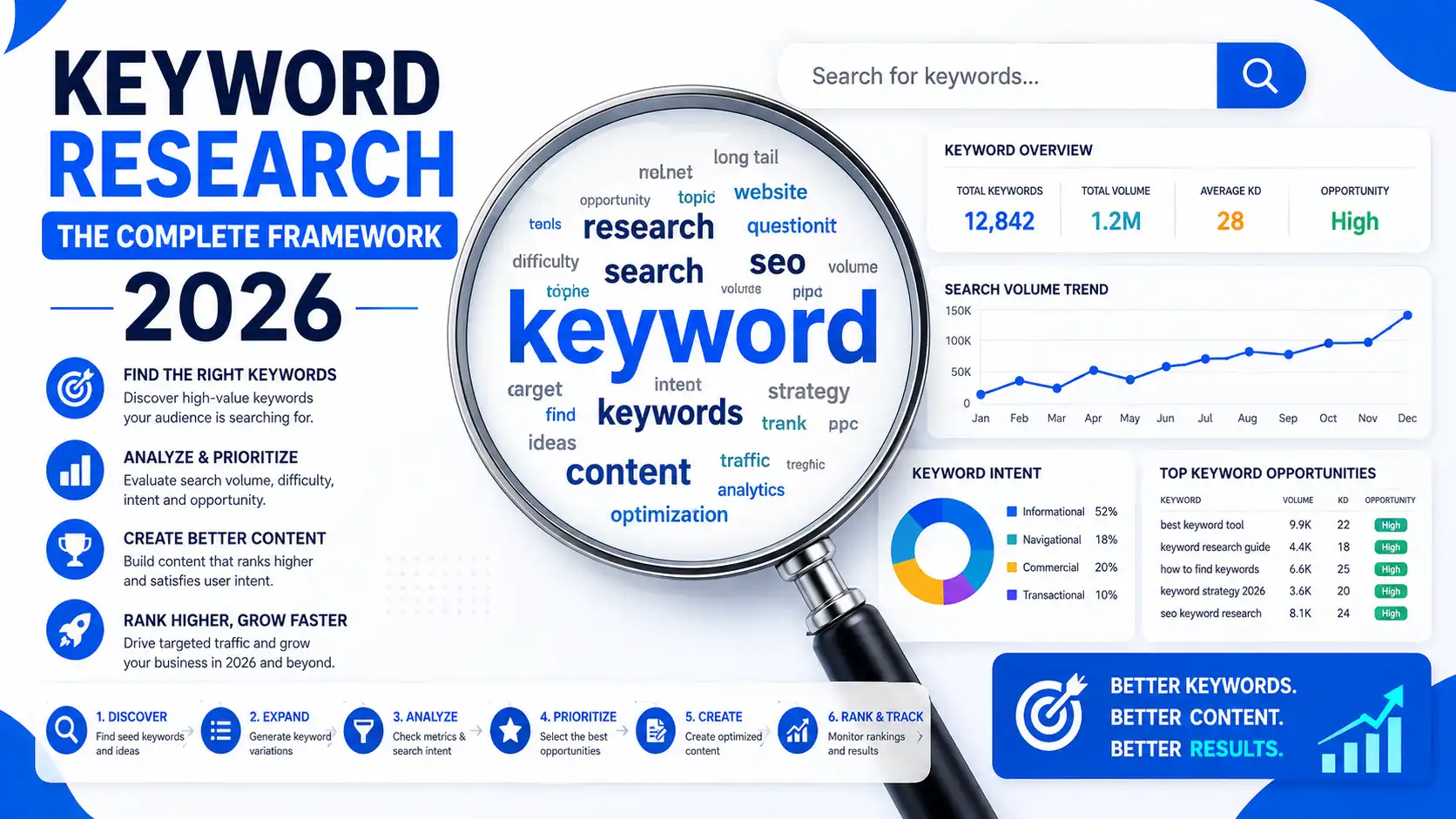
Start with Search Intent, Not Keywords
Before writing, search for your target keyword and study the results. What type of content ranks? If how-to guides dominate, the intent is instructional. If product pages appear, the intent is transactional. Your content must match the dominant intent or it will not rank, regardless of quality. This is the most common mistake content creators make.
Build Topical Depth, Not Word Count
Long content does not rank better because it is long. It ranks better when the length reflects genuine depth and completeness. Google evaluates whether your content covers the topic thoroughly enough to satisfy the searcher without needing another search. Cover the main topic, address subtopics, answer follow-up questions, and provide actionable specifics. But do not pad with filler.
Use a Clear, Scannable Structure
Most readers scan before they read. Use descriptive H2 and H3 headings. Use short paragraphs of 2 to 4 sentences. Include bullet points for lists. Add a table of contents for longer articles. This helps both readers and crawlers understand your content.
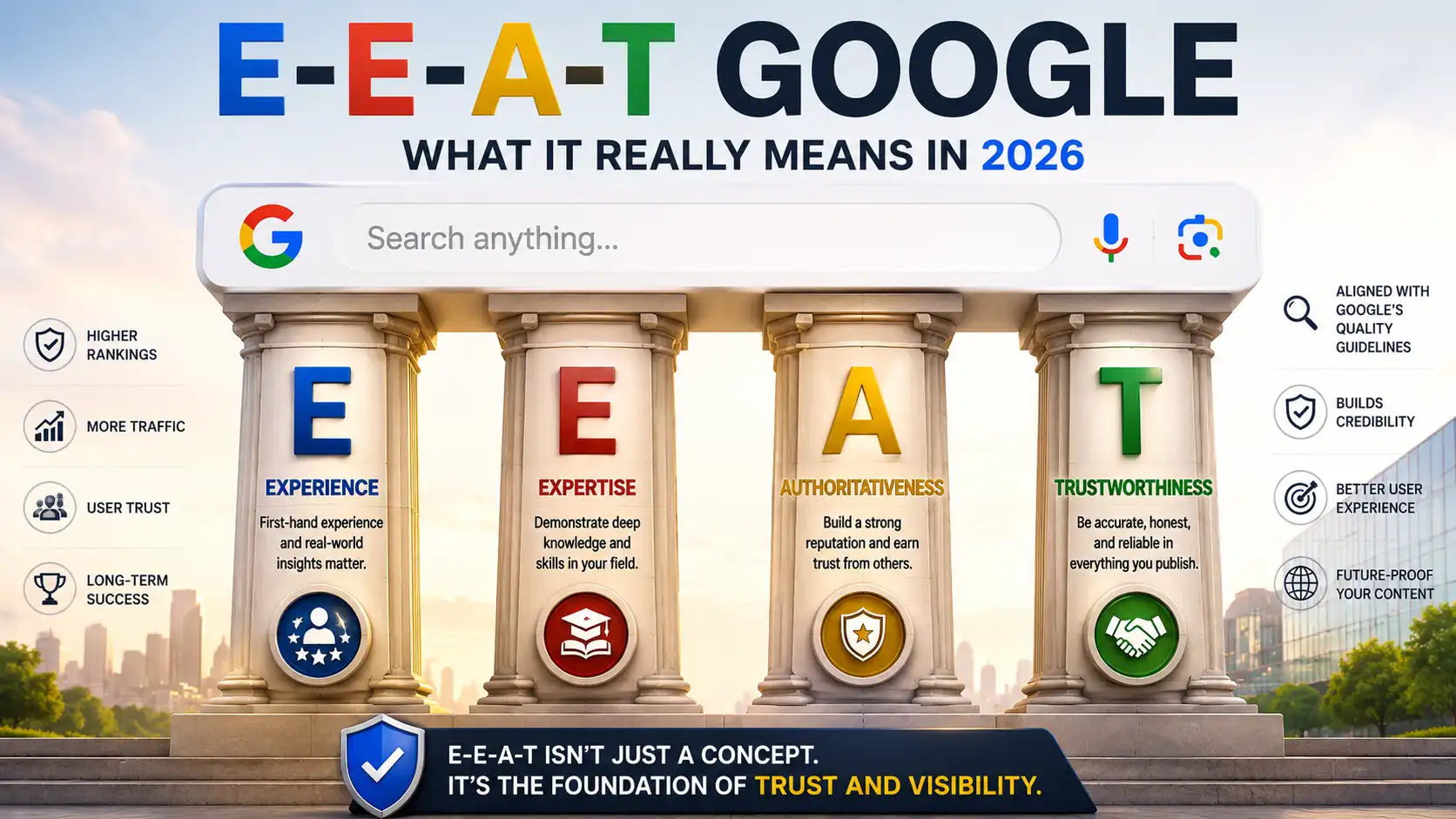
Write with E-E-A-T in Mind
Demonstrate experience and expertise within the content itself. Include first-person insights, specific examples from your own work, and references to primary sources. Avoid generic advice that anyone could write after five minutes of research.
Optimize On-Page Elements
- Title tag: include the primary keyword naturally, under 60 characters
- Meta description: summarize value in 155 characters to improve CTR
- URL slug: short, descriptive, keyword-relevant
- Headers: H2 for main sections, H3 for subsections
- Internal links: link to related content with descriptive anchor text
- Images: relevant images with descriptive alt text and compressed sizes
Add Unique Value Beyond AI Summaries
With AI Overviews summarizing commodity information, your content needs something an AI summary cannot provide: original data, personal experience, proprietary insights, expert opinions, or unique analysis. Find the angle that only you can provide.
Update and Refresh Existing Content
Google rewards freshness, especially for topics that change over time. Review published content quarterly. Update statistics, add new information, remove outdated sections. Refreshing existing content often produces faster ranking improvements than publishing new content.
The simplest test: after reading your article, does the reader need to search for anything else on this topic? If yes, your content is not complete enough.
Frequently Asked Questions
How long should SEO content be?
As long as needed to fully cover the topic. There is no magic number. Study what ranks and match or exceed that depth.
Should I use AI to write SEO content?
AI is excellent for drafting. But the final content should include your unique expertise and editorial judgment.