How to Recover from a Google Algorithm Update

⚡ Quick Answer
Traffic dropped after a Google update? Diagnose the cause and rebuild your rankings.
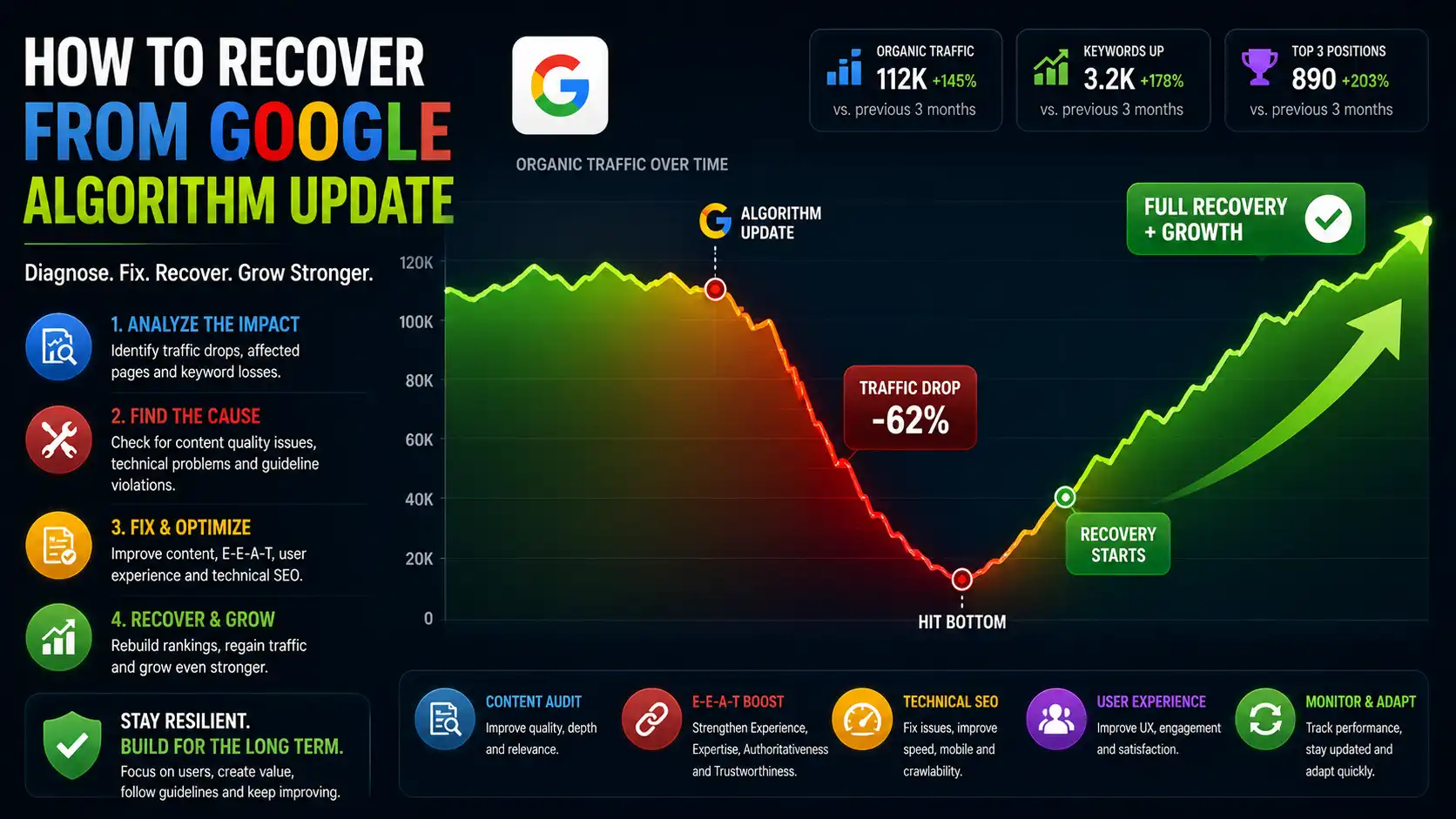
How to Recover from a Google Algorithm Update
Few things in SEO are more stressful than watching your traffic drop after a Google algorithm update. One day your site is performing well; the next, organic traffic has fallen 30, 50, or even 80 percent. The good news is that recovery is possible. The bad news is that it requires honest assessment and real work. There are no quick fixes for algorithmic demotions.
Confirm It Was an Algorithm Update
Before assuming an algorithm update caused your traffic drop, rule out other causes. Check Google Search Console for manual actions, crawl errors, or indexing issues. Verify that no technical changes were made to your site around the same time. Check whether the drop is site-wide or limited to specific pages. Cross-reference the timing with known Google update rollout dates using tools like Semrush Sensor and Moz Cast.
Diagnose Which Pages Were Affected
Use Google Search Console to compare performance before and after the update. Identify which queries lost impressions and clicks. Look for patterns: did a specific content category lose rankings? Did pages with thin content drop while thorough pages held? The pattern reveals what the update targeted and guides your recovery strategy.
Step 1: Audit Your Content Quality
Go through every affected page and honestly assess its quality. Is it genuinely the best resource available on this topic? Does it demonstrate first-hand expertise? Is the information accurate and current? Would you be proud to show it to a colleague? If the answer to any of these is no, the content needs significant improvement or removal.
Step 2: Improve or Remove Low-Quality Content
For each affected page, decide whether to substantially improve it or remove it entirely. Improving means rewriting with genuine expertise, adding original insights, and updating outdated information. Removing means 301 redirecting to a relevant higher-quality page or returning a 410 Gone status. Sometimes removing dozens of low-quality pages improves rankings for your remaining high-quality content.
Step 3: Strengthen E-E-A-T Signals
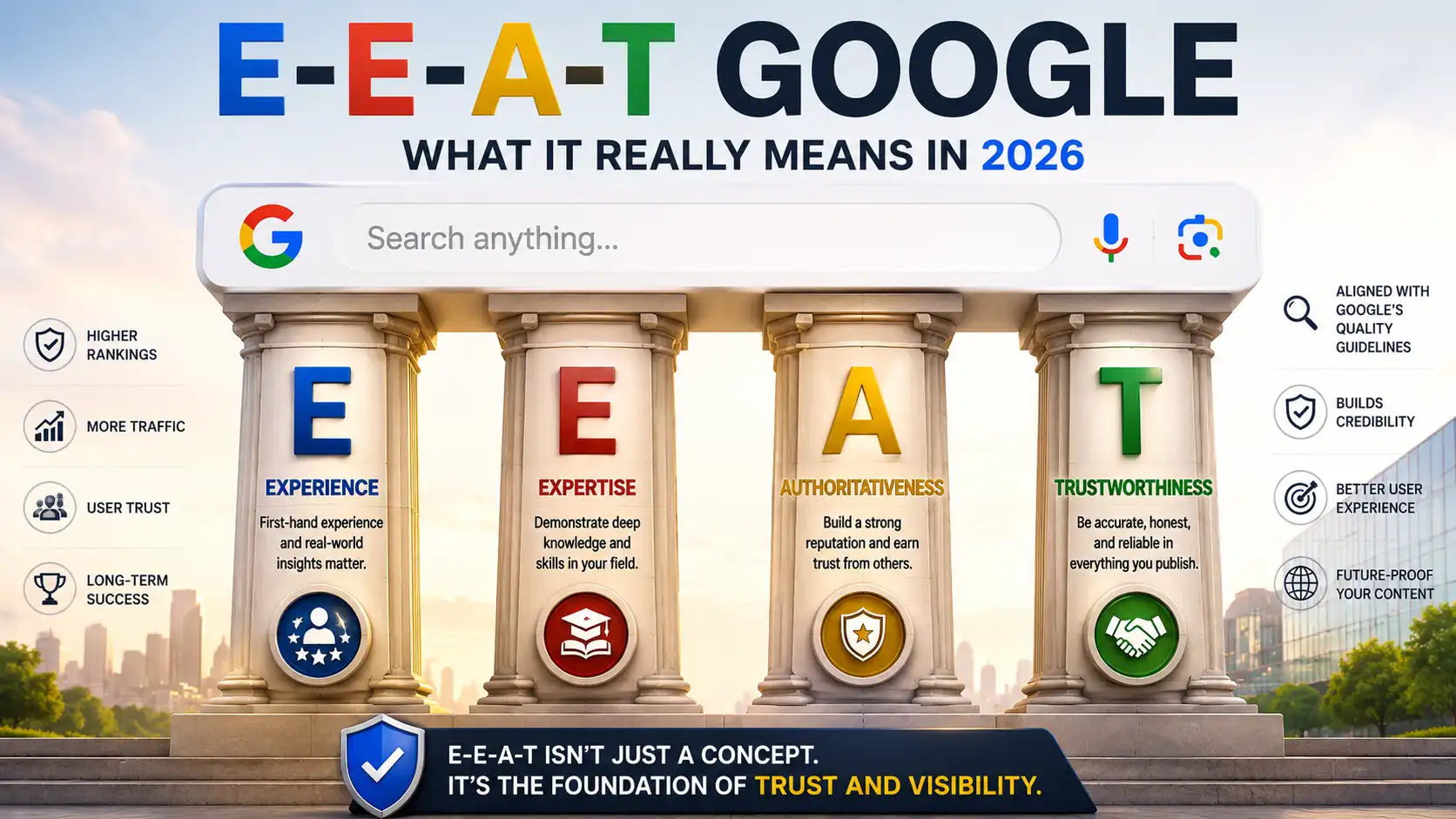
Core updates increasingly emphasize E-E-A-T. Add detailed author bios with verifiable credentials. Link to authoritative sources. Show first-hand experience through original photos and practical details. Make your About page transparent about who runs the site and why they are qualified.
Step 4: Wait for the Next Core Update
Recovery from core updates usually does not happen gradually. Rankings typically recover during the next core update, which can be weeks or months away. Continue improving your content and building authority. Sites that make genuine improvements consistently recover when the next update rolls out.
The most common mistake after an algorithm hit is making panicked changes without diagnosing the actual problem. Analyze the data first, then make targeted improvements.
Frequently Asked Questions
How long does recovery take?
Recovery typically happens during the next core update, which can be 2 to 6 months away.
Can I recover from a Google penalty?
Manual penalties recover via reconsideration request. Algorithmic demotions recover by improving quality and waiting for the next update.