Blogger Is Not Dead: How I Monetized in Less Than Two Months

⚡ Quick Answer
A real case study of building and monetizing a Blogger site in under 60 days with strategic SEO and content.
Why Blogger Still Works in 2026
Everyone says Blogger is dead. Every "best blogging platform" roundup ranks it last or omits it entirely. Industry experts dismiss it as a relic of 2008. And yet, I built a niche site on Blogger that earned its first AdSense payment in under 60 days — with zero budget, no premium themes, and no paid promotion. Here is the complete, transparent case study of exactly how I did it.
The platform you use matters far less than the strategy you execute. WordPress offers more flexibility. Ghost offers better performance. Substack offers built-in audience. But Blogger offers something none of them can match: it is completely free, requires zero technical setup, runs on Google's infrastructure (which means exceptional uptime and speed), and — because Google owns it — there is an inherent trust signal that benefits indexing and crawling.
The Strategy: Micro-Niche + Content Velocity
Success on any platform requires two things: choosing the right niche and publishing enough quality content to establish topical authority. Here is how I approached both:
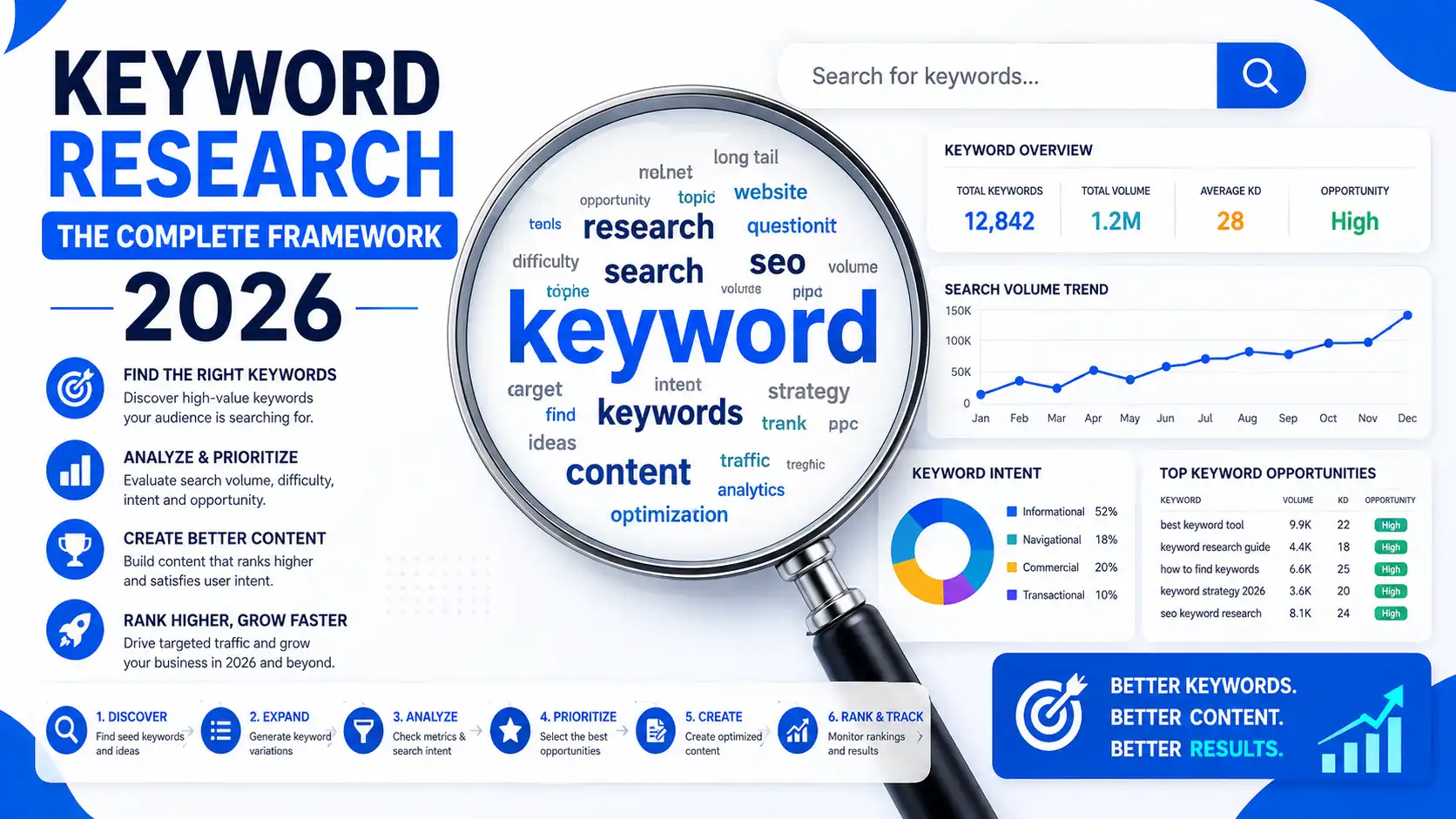
Niche selection: I chose a micro-niche with three characteristics: (1) clear commercial intent (people searching for these topics want to buy something), (2) low competition (no major brands or high-authority sites dominating the results), and (3) sufficient search volume (at least 5,000 monthly searches across the topic cluster). I used Google Keyword Planner and Ahrefs' free keyword difficulty checker to validate the opportunity before writing a single word.
Content velocity: I published 30 articles in the first month. Not 30 short, thin articles — 30 comprehensive, 1,000-1,500 word guides each targeting a specific long-tail keyword. The goal was reaching the minimum content threshold for topical authority as quickly as possible. Google needs to see enough content on a topic to trust you as an authority — publishing one article per week means waiting months to reach that threshold.
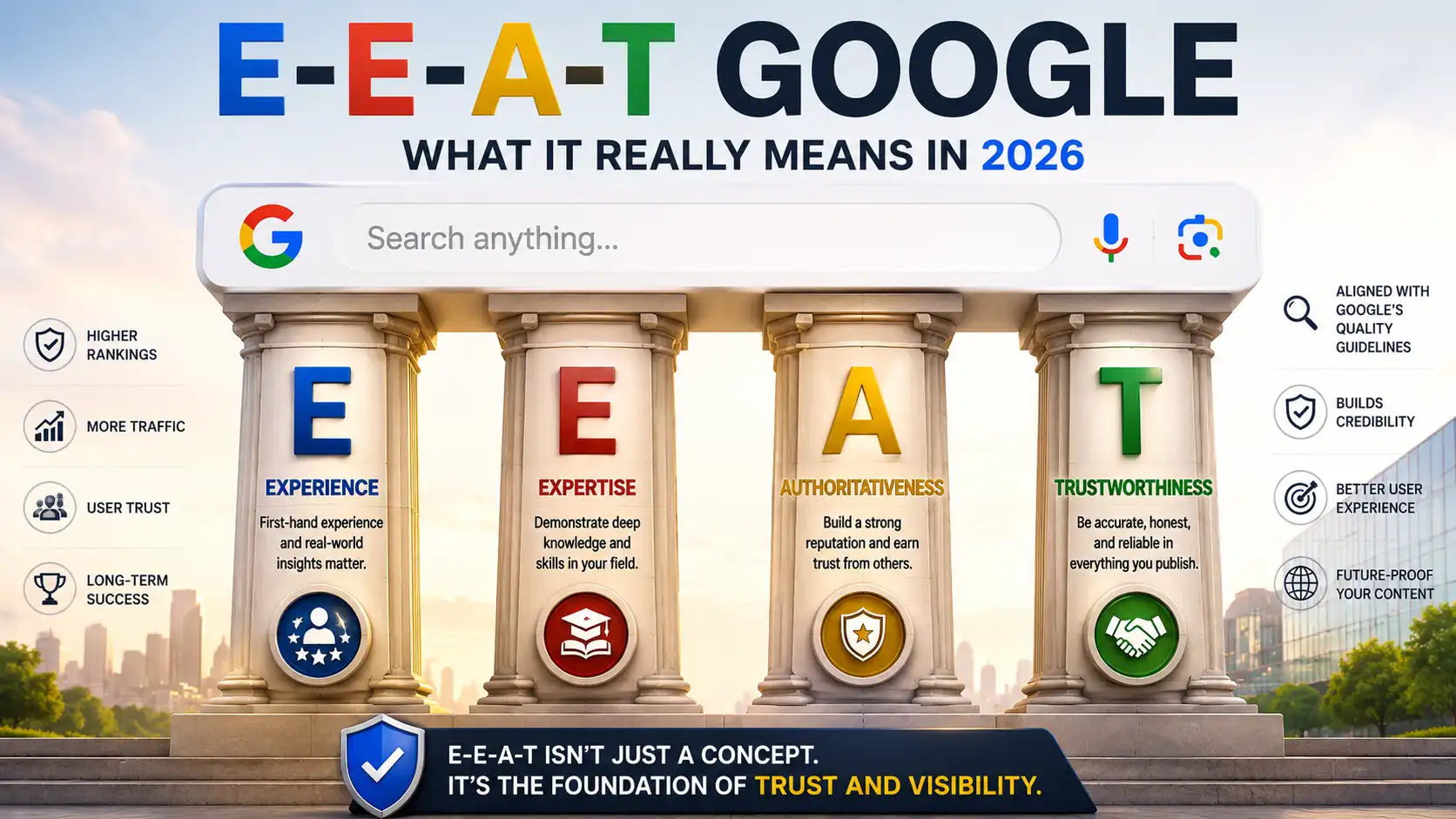
Content quality: Every article followed a consistent structure: keyword-optimized H1, clear introduction addressing the search intent, comprehensive body with subheadings, practical actionable advice, and a conclusion with a clear next step. I included original screenshots, personal experiences, and specific details that generic content lacks.
Technical SEO on Blogger
Blogger's technical limitations are real but manageable. Here is what I did to maximize SEO performance within the platform's constraints:
Custom domain: I registered a domain name ($12/year) and connected it to Blogger via CNAME records. This is essential — blogspot.com subdomains are harder to monetize and carry less authority than custom domains.
Clean template: I chose a minimalist, mobile-responsive template. Blogger's default themes are outdated, but several free third-party templates offer clean code, fast loading, and modern design. I customized the template to remove unnecessary widgets, social buttons, and sidebar clutter that slow page loads.
Schema markup: I manually added Article, Person, and BreadcrumbList Schema markup to the template's HTML. Blogger's template editor allows direct HTML access, so implementing structured data is straightforward for anyone comfortable with basic HTML.
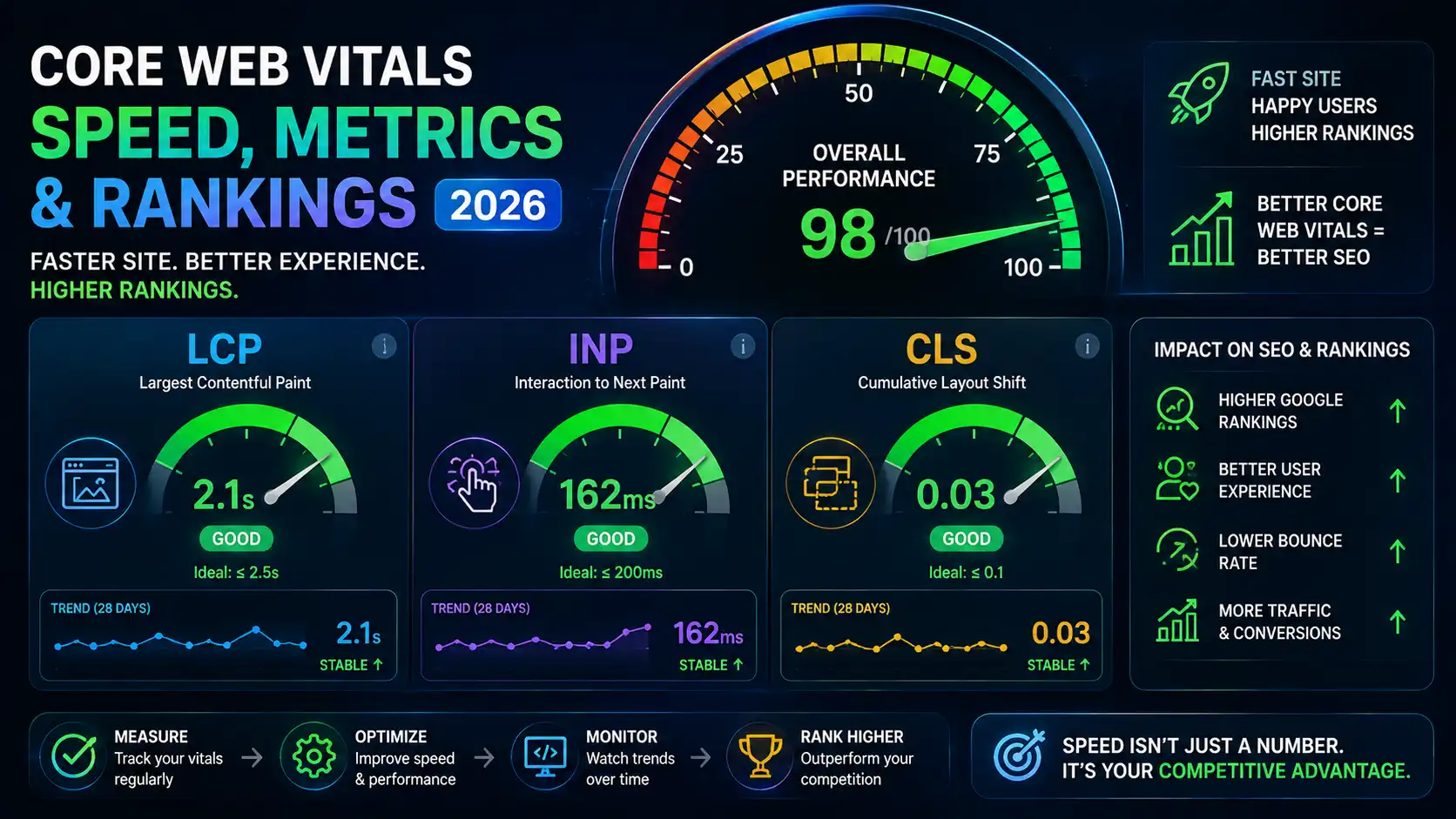
Internal linking: Every article linked to 3-5 related articles. I built a hub-and-spoke structure where a main "pillar" article on the broad topic linked to detailed articles on subtopics, and each subtopic article linked back to the pillar and to related subtopics. This internal linking structure is critical for distributing authority and helping Google understand your site's topical focus.
Monetization Timeline: Day by Day
Week 1-2: Published 15 articles. Set up Google Search Console and submitted sitemap. Traffic was near zero — expected for a new site. Focused entirely on content production.
Week 3-4: Published 15 more articles (30 total). First organic traffic appeared — mostly long-tail queries with very low competition. Applied for Google AdSense with 30 articles, clear About and Contact pages, and a custom domain.
Week 5: AdSense approved on the first application. Placed ads strategically: one in-article ad after the second heading, one at the end of the article, and one sidebar ad. Total daily traffic: approximately 100-150 sessions.
Week 6: Traffic grew to 200-300 daily sessions as more articles got indexed and started ranking. First meaningful ad revenue: approximately $2-4/day.
Week 7-8: Hit the first AdSense payment threshold ($100). Several articles reached page 1 for their target keywords. Daily traffic stabilized at 400-500 sessions.
Key Takeaways
The platform genuinely matters less than the strategy. Blogger's limitations are real — limited template flexibility, no native plugins, basic analytics — but none of these prevent you from ranking, monetizing, or building an audience. The fundamentals that drove this result — niche selection, content velocity, keyword targeting, internal linking, and clean technical implementation — work on any platform.
Blogger's unique advantage is the zero-cost entry point. For someone with no budget who wants to prove the concept of niche content monetization, there is no lower barrier to entry. You can start today with $0 and potentially reach monetization within 60 days if you execute the strategy consistently.
What I Would Do Differently
If I had budget available, I would start with WordPress on affordable hosting ($3-5/month). WordPress offers dramatically more flexibility for Schema markup, page speed optimization, plugin functionality, and design customization. The content strategy would be identical — the platform just provides more optimization levers.
But if the question is "Can Blogger still work in 2026?" — the answer is unambiguously yes. The site I built continues to generate passive income months after the initial content push, with minimal maintenance. The platform is not dead. The strategy is what matters.