Top 10 AI Tools for Marketers

⚡ Quick Answer
Discover the essential AI stack for digital marketers: automation, writing, data, and design tools that scale your workflow.

The Essential AI Stack for Digital Marketers in 2026
AI tools have fundamentally transformed how marketers work. From content creation to data analysis, the right stack can save hours every week and dramatically improve results across every channel. The key is choosing tools that complement each other and integrate into your existing workflow without adding unnecessary complexity.
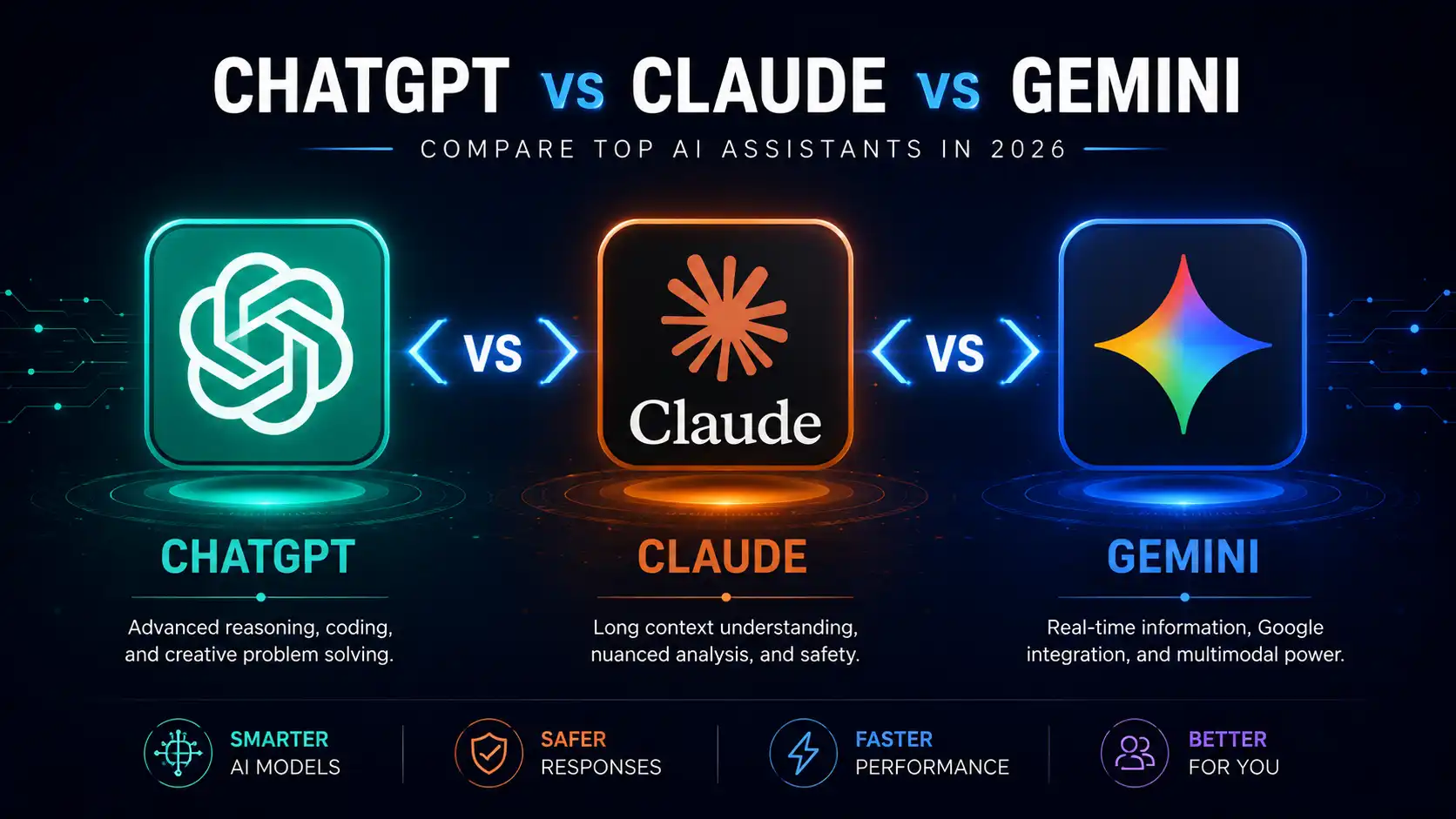
1. ChatGPT / Claude — AI Writing & Strategy
Large language models are the foundation of any modern marketing stack. Use them for brainstorming campaign ideas, writing email sequences, generating ad copy variations, and repurposing content across formats. Claude excels at long-form analysis and nuanced writing, while ChatGPT handles rapid ideation and creative exploration. The most effective approach combines both: use one for initial drafts and the other for refinement and fact-checking.
Pro tip: Create custom GPTs or Claude projects with your brand guidelines, tone of voice, and product details pre-loaded. This eliminates repetitive prompting and ensures consistency across your team.
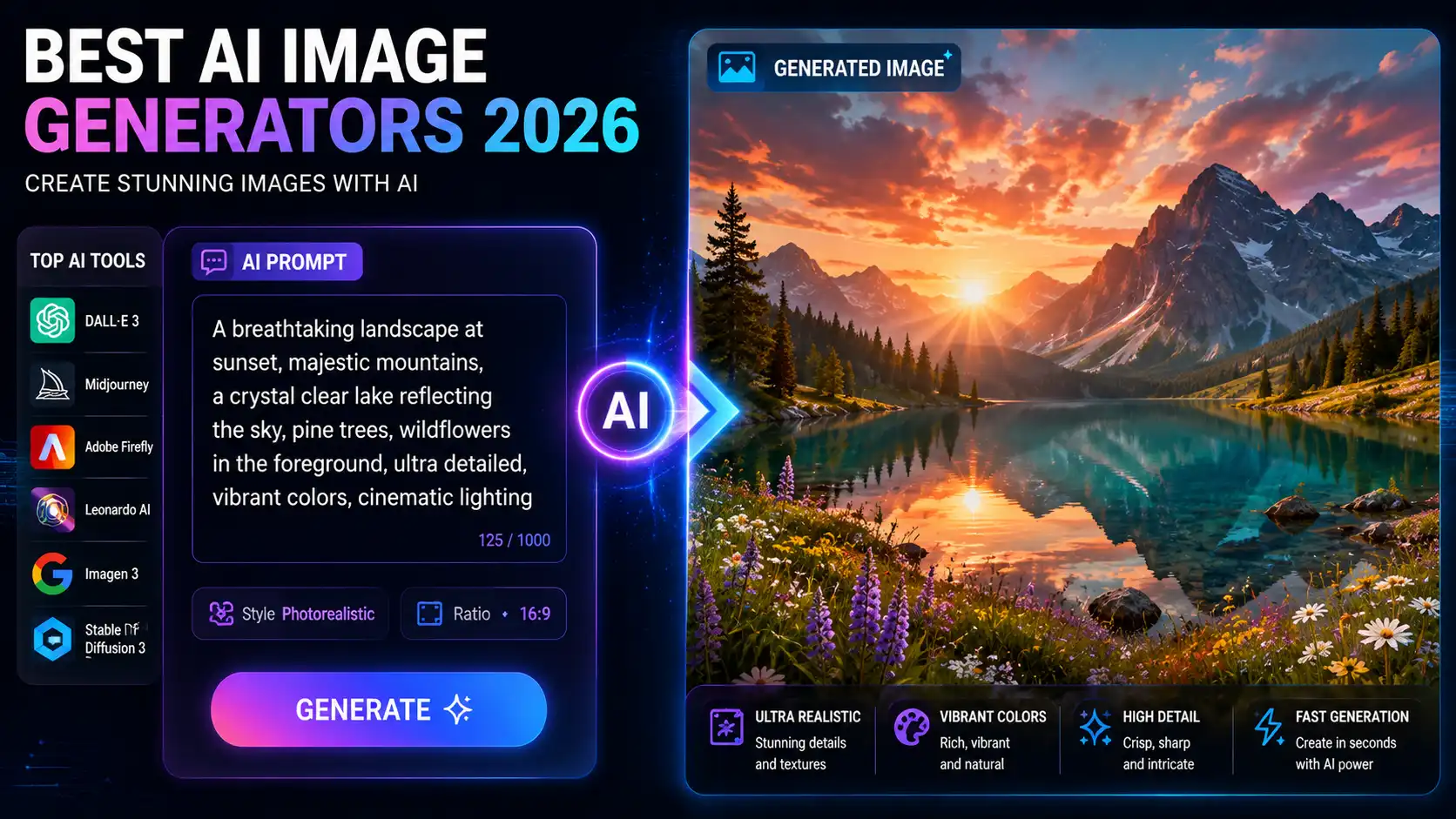
2. Midjourney / DALL-E — Visual Content
Generate custom images for social media posts, display ads, blog headers, and product mockups without needing a design team. Midjourney excels at photorealistic and artistic imagery, while DALL-E integrates directly with ChatGPT for seamless text-to-image workflows. For marketers, this means going from concept to visual asset in minutes rather than days.
3. Jasper — Marketing Copy at Scale
Purpose-built for marketing teams, Jasper specializes in ad copy, landing pages, product descriptions, and email campaigns. Its brand voice feature learns your company's tone and applies it consistently across all outputs. The campaign workflow feature lets you generate an entire multi-channel campaign from a single brief, producing coordinated messaging for email, social, ads, and landing pages simultaneously.
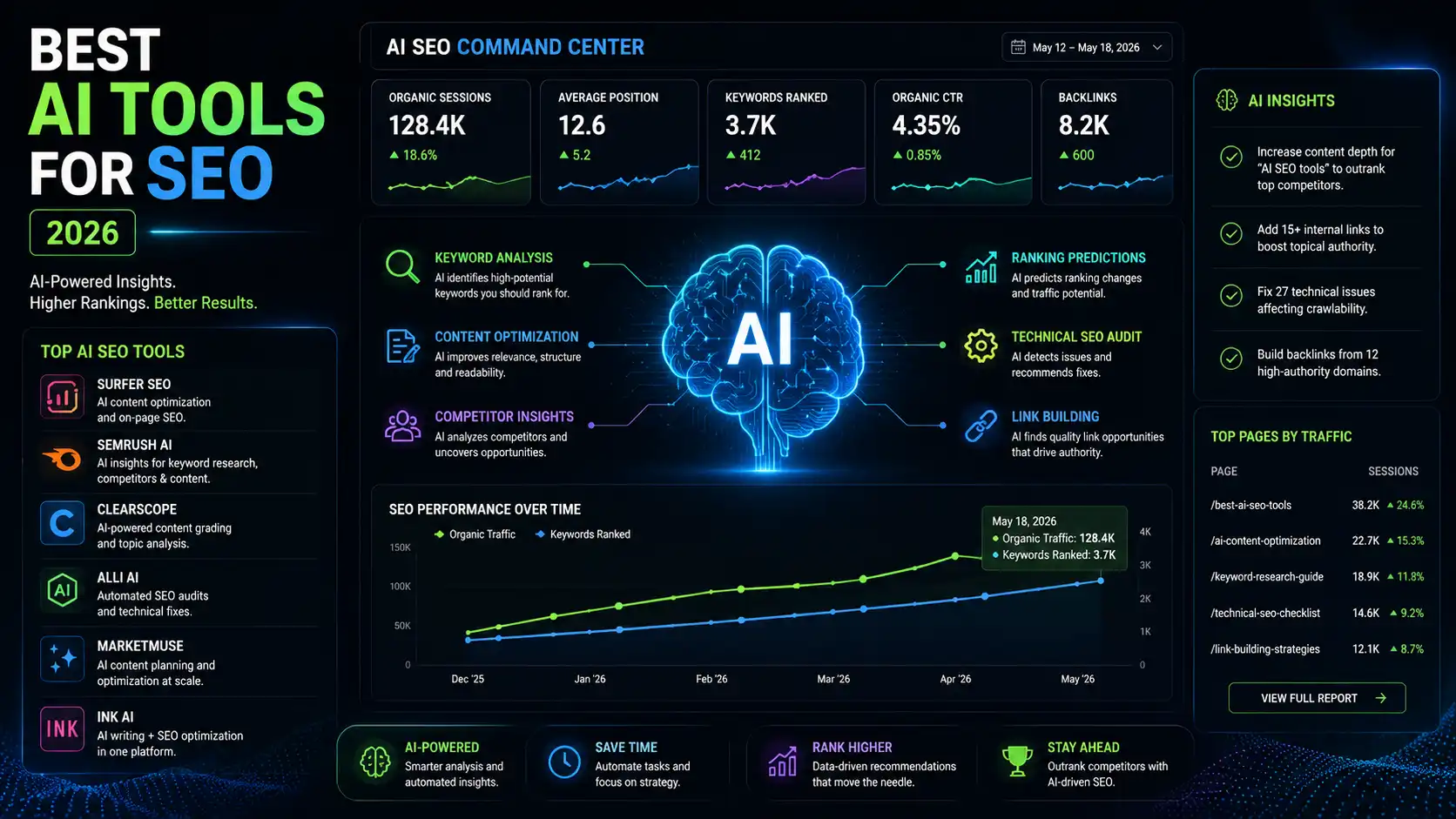
4. Surfer SEO — Content Optimization
Surfer analyzes top-ranking pages for your target keywords and provides data-driven recommendations for content structure, keyword density, heading hierarchy, and readability scores. The content editor scores your article in real-time as you write, showing exactly what changes will improve rankings. Integration with Google Docs and WordPress means optimization happens where you already work.
5. Make.com — Workflow Automation
Connect your entire marketing stack without code. Popular automations include: syncing CRM contacts to email lists, posting blog content to social channels automatically, aggregating analytics from multiple platforms into a single dashboard, and triggering personalized follow-up sequences based on user behavior. Make.com supports over 1,500 app integrations with visual workflow builders.
6. Notion AI — Project Management
Organize campaigns, generate creative briefs, summarize meeting notes, and build editorial calendars with built-in AI assistance. Notion AI can extract action items from meeting transcripts, draft project timelines from rough notes, and generate status reports from your project database. The combination of flexible databases with AI assistance makes it ideal for marketing team collaboration.
7. Canva AI — Design Automation
Create on-brand visuals with AI-powered templates, one-click background removal, magic resize for multi-platform publishing, and text-to-image generation. Canva's brand kit ensures every team member produces consistent visuals, while the bulk create feature generates hundreds of variations from a single design template — perfect for localized ad campaigns or product catalogs.
8. Google Analytics 4 + Looker — Data Intelligence
Track user behavior across web and app with event-based analytics. GA4's machine learning capabilities include predictive audiences (users likely to purchase or churn), automated insights that surface anomalies and trends, and cross-platform attribution modeling. Connect to Looker Studio for custom dashboards that update in real-time and can be shared across your organization.
9. HubSpot AI — CRM & Email
Automate lead scoring based on behavioral signals, personalize email content at scale using AI-driven segmentation, and optimize send times for individual contacts. HubSpot's AI also generates blog post drafts, social media captions, and ad copy directly within the platform, keeping your marketing activities centralized and measurable.
10. Grammarly — Content Quality
Ensure every piece of content is clear, professional, and error-free before publishing. Grammarly's AI goes beyond grammar checking to analyze tone, readability, inclusivity, and engagement potential. The business tier applies your style guide automatically, catching brand voice inconsistencies across team members and channels.
How to Choose the Right Tools
Start with your biggest bottleneck. If content creation is slow, begin with ChatGPT or Jasper. If distribution is the problem, focus on Make.com and HubSpot. If you are struggling with SEO, prioritize Surfer. Build your stack incrementally — adding one tool at a time, mastering it, and then expanding. A smaller stack used effectively always outperforms a bloated toolkit used superficially.
Budget Considerations
Most of these tools offer free tiers or trials. A complete AI marketing stack for a small team can cost as little as $200-400/month — a fraction of hiring additional team members. The ROI typically materializes within the first month through time savings alone.